Category Archives: Uncategorized

Crabbing on the Swimming River

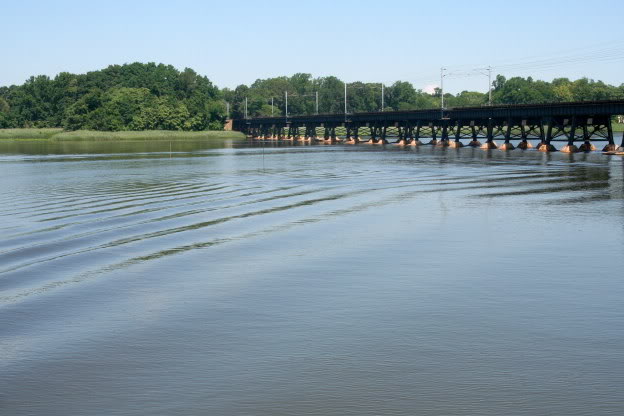
Both my husband and I took the day off from work to go crabbing – I was looking for an excuse to play *hooky* and he offered. It was a beautiful day today – hot, but without the humidity that has been so oppressive all week. Our usual spot to crab is from a little bridge over the Swimming River in Red Bank – further down the river past the railroad bridge you see in the pic this river becomes the Navesink, five miles or so downriver is Sandy Hook Bay and the Atlantic Ocean.

Crabbing requires little investment or preparation, but is a very repetitive pastime. We set up twenty or so traps across the span of the bridge, excepting the middle part of the bridge where our trap lines would interfere with the boat channel below. I watched and took pictures at this point, rather than handle the bait (fish or raw chicken) – left that yuckiness to my DH and his brother. The rest is easy – check the trap every so often, lifting it from the bottom hand-over-hand, and seeing what you’ve caught. There is a 4 1/2-inch minimum size, measured point to point across the back and we throw back any females we catch.

The majority of what we caught today were too small to keep, and these little ones usually fall out of the trap as you pull it out of the water. The keepers present somewhat of a challenge to me, as they often just won’t be flipped into the bushel basket like a cooperative crab ought to. Instead, they find something to hold onto and won’t let go. Shaking the whole trap works, but then you have a crab running around your Teva-sandaled feet. My husband just catches them under his shoe, but he wears steel-toed boots. Crabs can pinch painfully, even drawing blood, and the claws should definitely be avoided!

Here my husband is demonstrating to me the proper technique for holding a crab by the base of one of its swimming appendages called “swimmerets” or “paddles” located at the rear of the shell. My husband tells me the big, snapping male blue claws aren’t able to reach around and nip a finger this way. Once you have a hold of them and are sure the size is big enough and that it’s a male you can then flip it into the basket. Adding a crab into the bushel causes the others to scurry around threateningly – that snapping, lunging mass is no place for your hand! You have to keep the basket in the shade and the crabs moist with a wet towel, but they’ll live with proper ventilation for a few hours until you get them home to the pot.
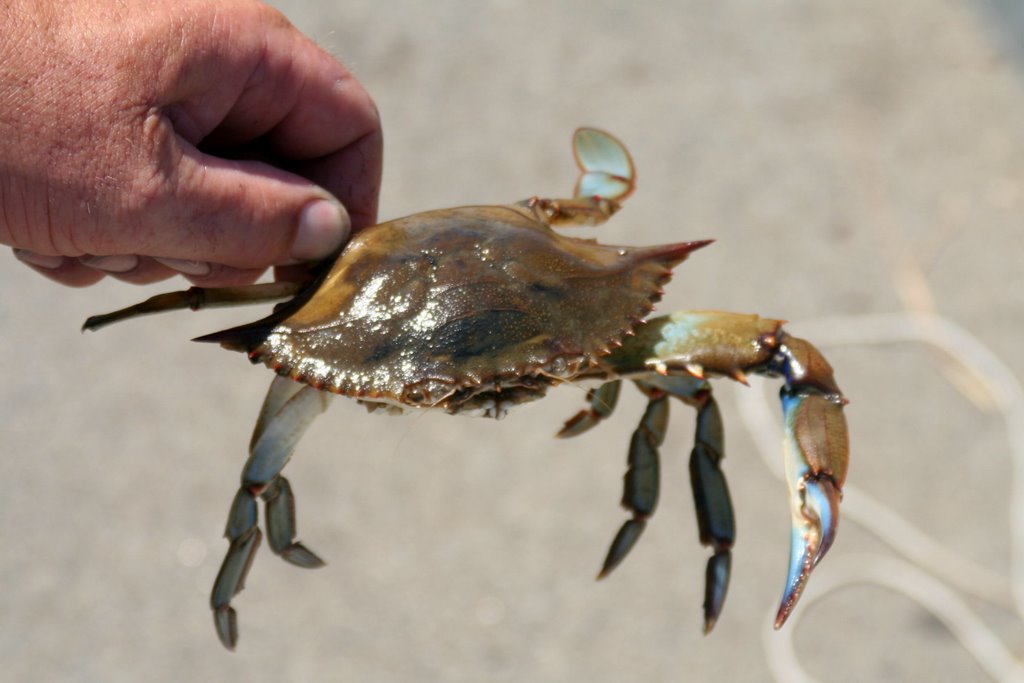
We ended the day with 50 or so keepers for my husband’s mom and terrific sunburns. My shoulders and the backs of my knees are red like a lobster – sleeping should be interesting for the next few nights.
Another look at horrible, really bad bird photos

If you’ve followed the comments on my bad photo post, you might’ve noted that Pam from Tortoise Trail did a little work on the photos. I thought it might be interesting to share the results of her *playing* – hope you don’t mind, Pam!

It feels a bit like cheating to post the same photos twice, but I think you’ll agree that these images are hardly the same. I’m amazed with what photo-processing software can accomplish. I routinely use a basic processing program that is free with my ISP to crop and brighten some of my photos, but I had considered these photos beyond my skills for repair. I also use PhotoShop once in a blue moon to play around with and soften a pic, but that program is so very complicated; learning to use it seems daunting. Being a lover of books, I would really appreciate it if someone out there could suggest a practical guide to improving digital pics – let me know if there is a book that has been helpful to you.

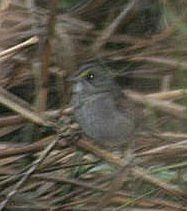
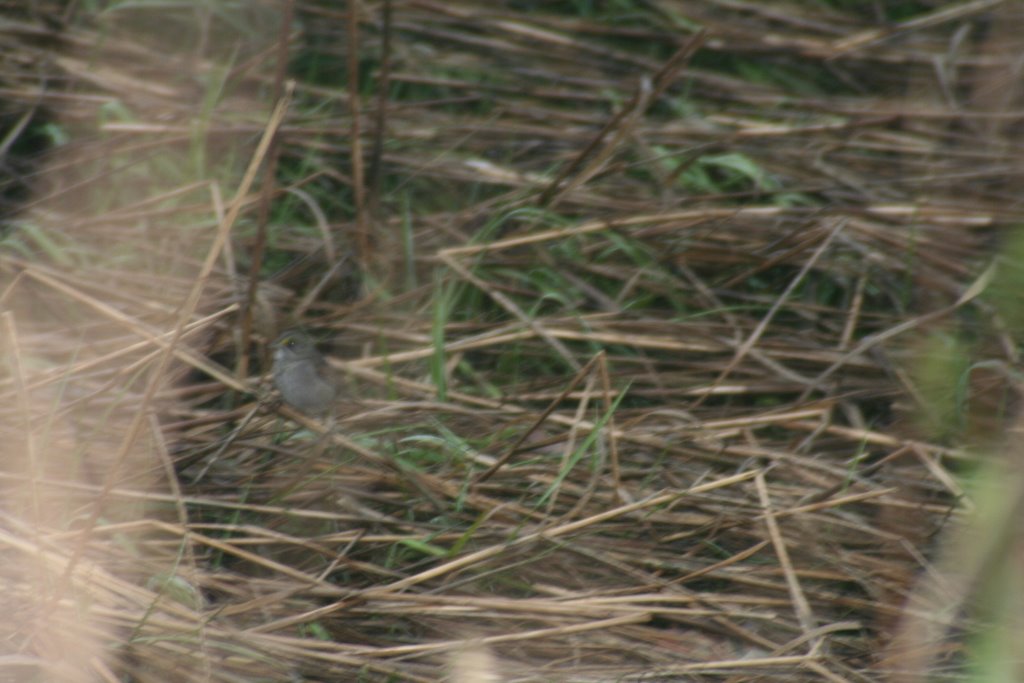
Pam also made a guess at the last (and worst) bird photo. She guessed Seaside Sparrow, but I think it’s a Salt Marsh Sharp-Tailed Sparrow. Patrick is that right?

Horrible, really bad bird photos

I haven’t blogged much about birds lately, partly because most of my attempts at photos to accompany an idea for a post don’t turn out well. So, for your amusement, I’ll share some – from bad to worse to really terrible.

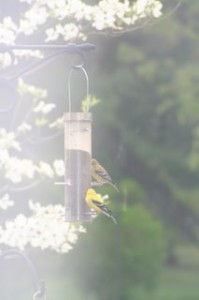
Pretty goldfinches at the feeder outside the kitchen window, ugly sun flare

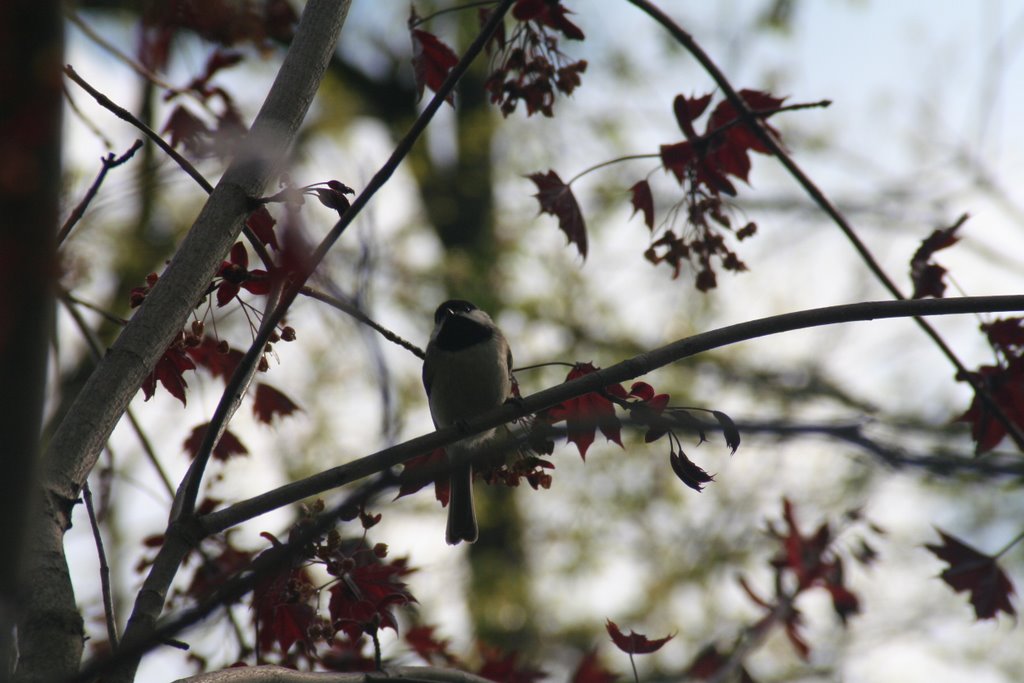
Chickadee with young red maple leaves; too dark

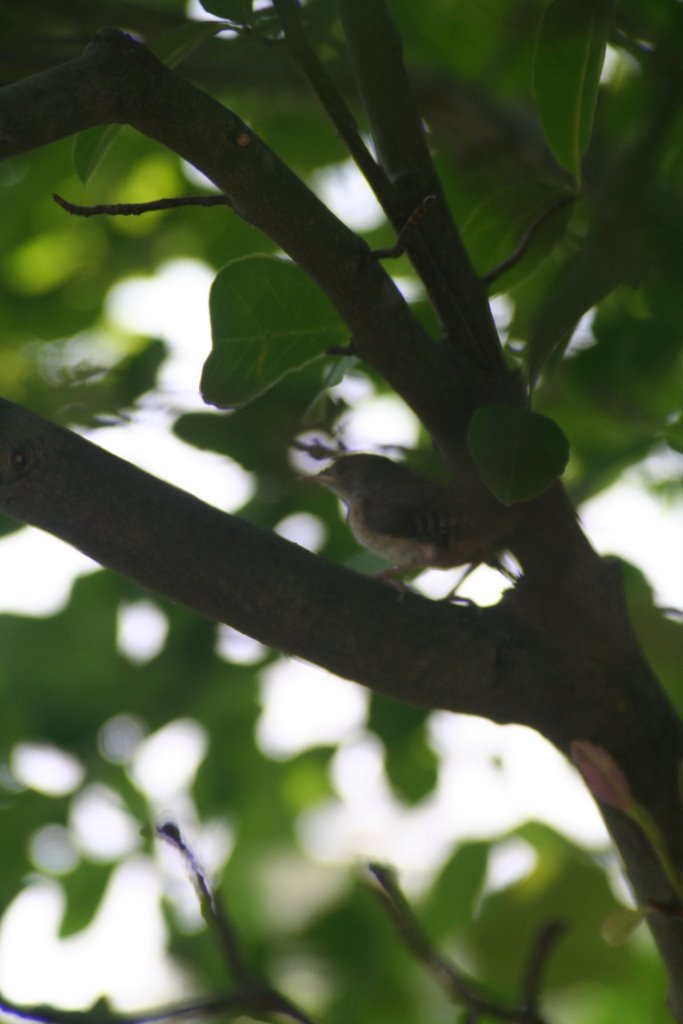
Fledgling house wren, too dark again

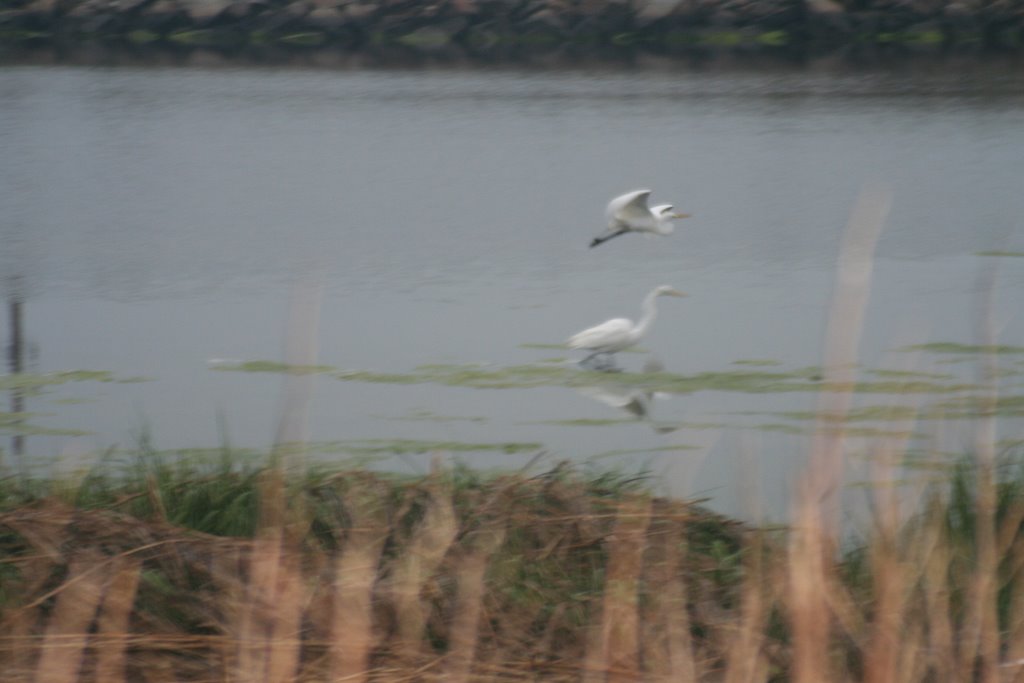
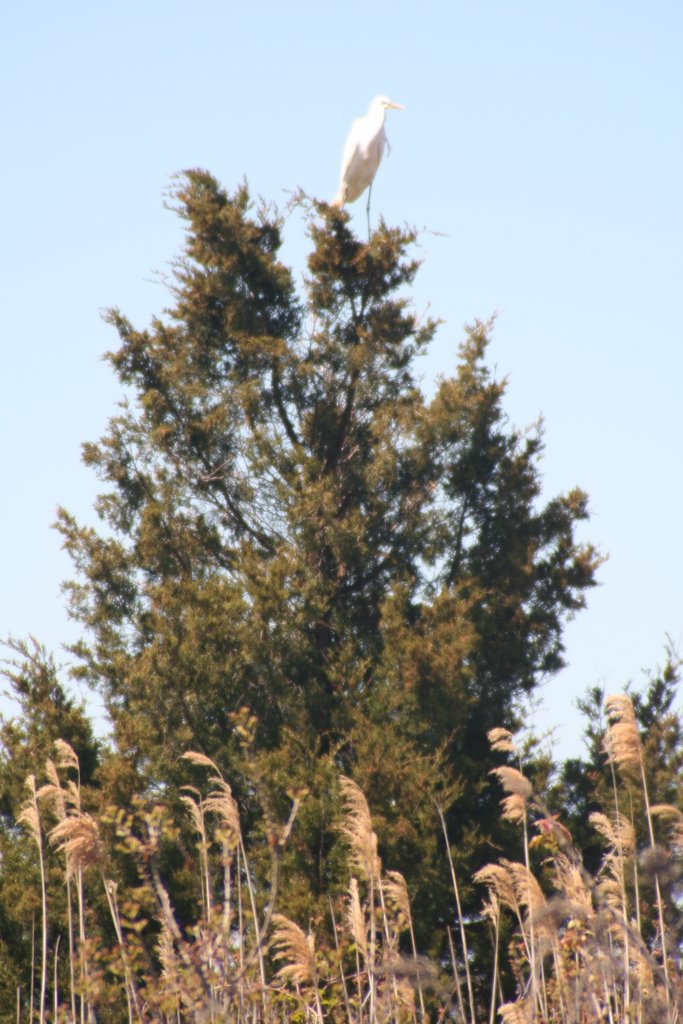
Great egrets. Lovely birds, busy photo

Just yuck.

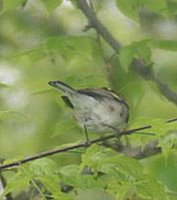
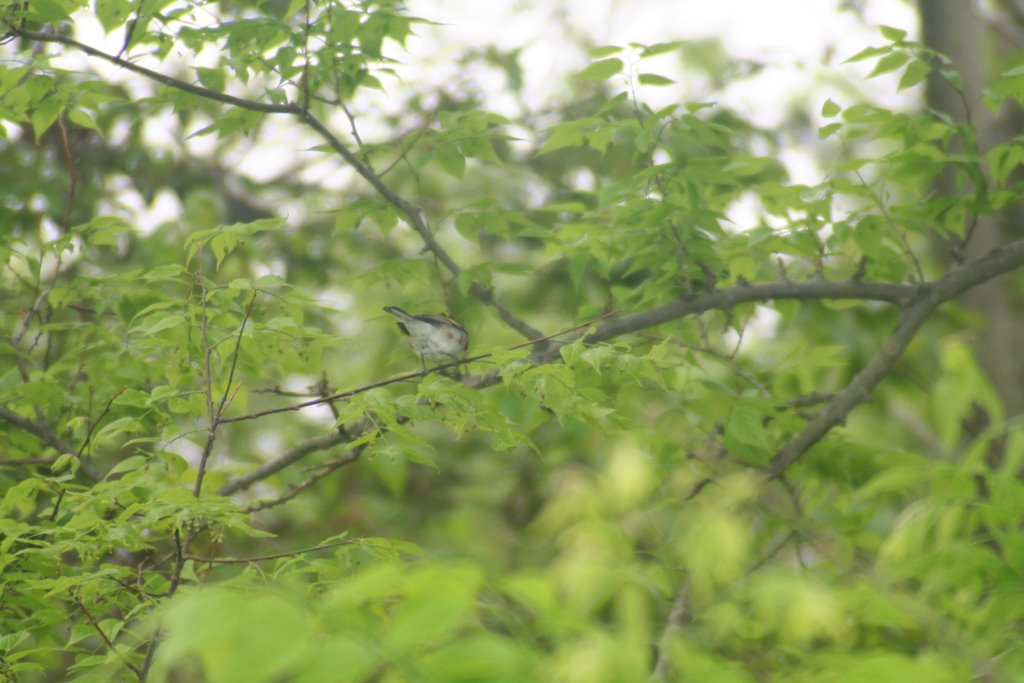
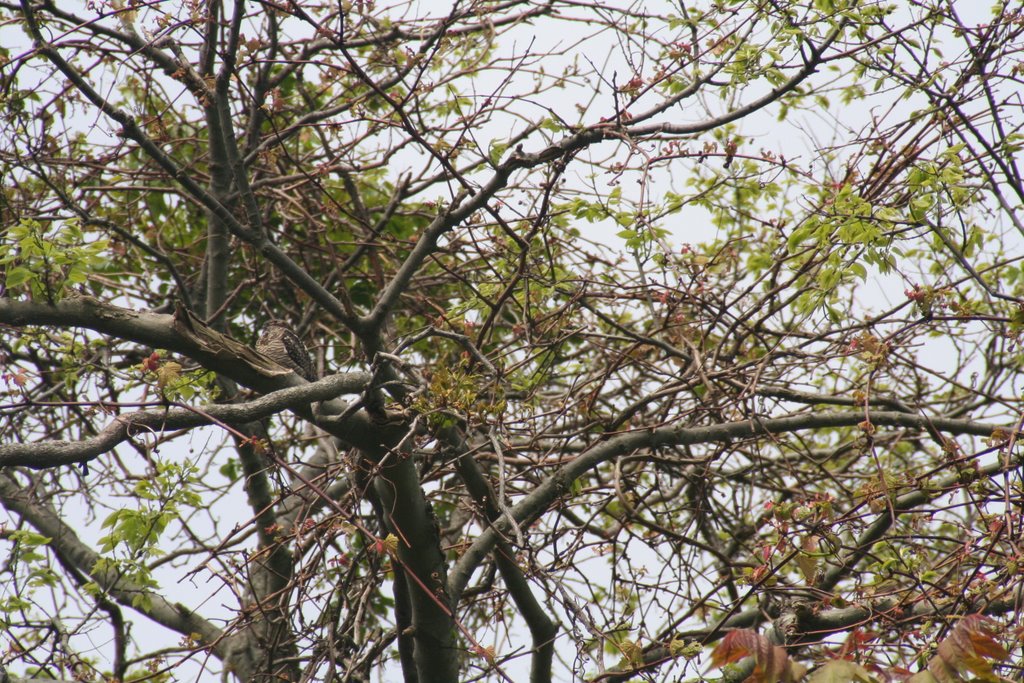
Close-up (!) view of a Chestnut-sided warbler butt

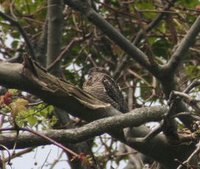
Is there even a bird in this pic? Kudos to you if you find it!

Horrible pic of a nice marsh bird. Any guesses? The lores will give it away, I’m sure!

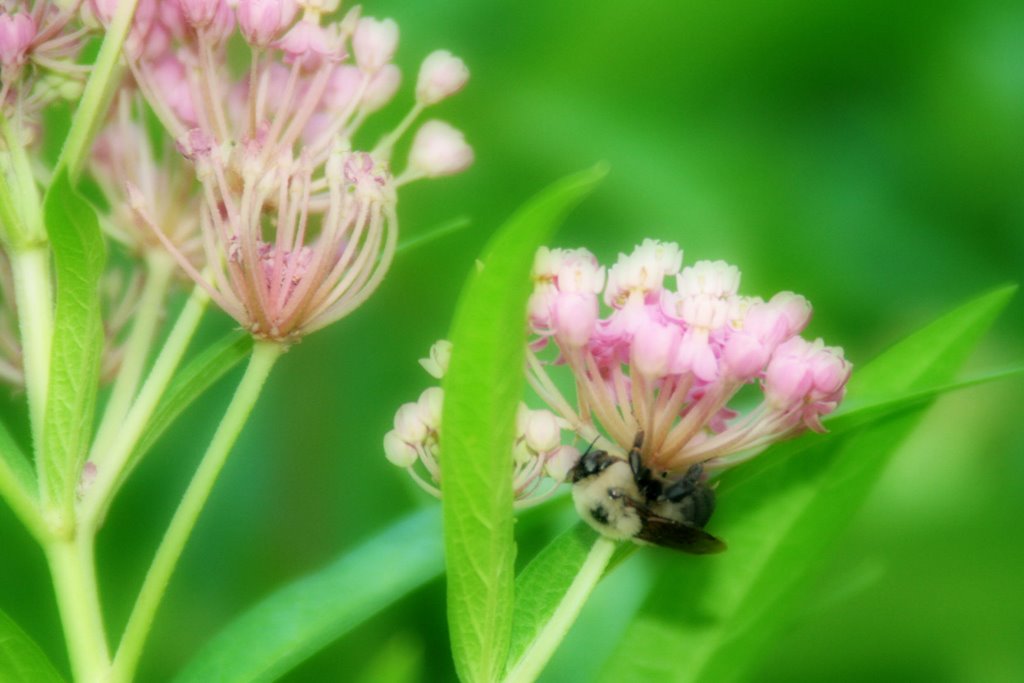
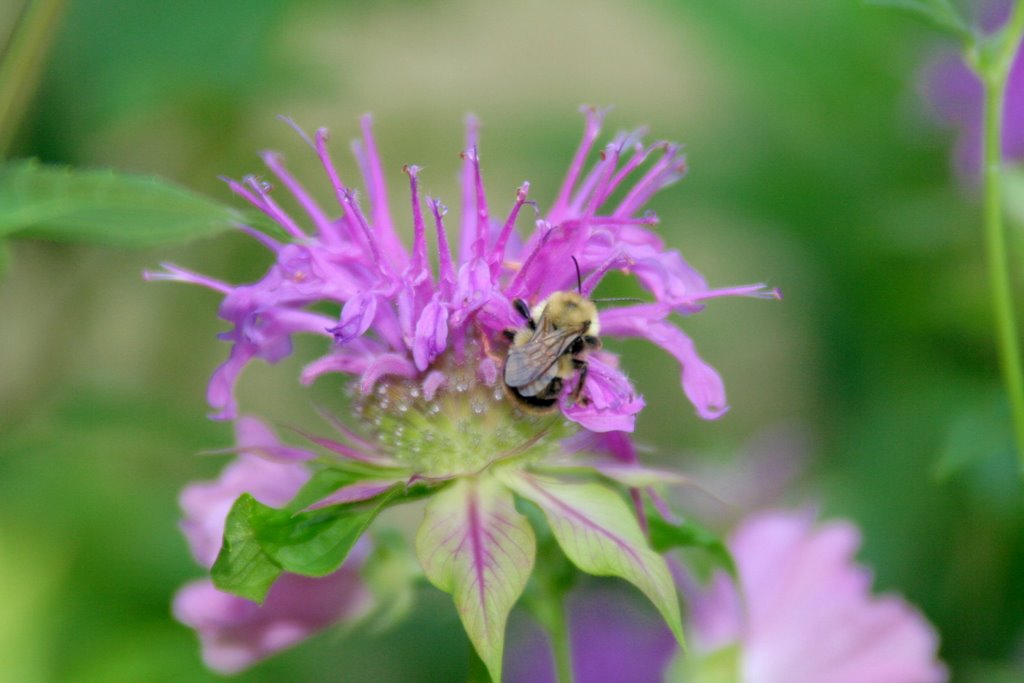
Napping bumblebee


Hal Borland says the bumblebee is “an exponent of the easy life and an example of moderation in most matters” – they are somewhat social, occasionally will collect honey to store in waxen jugs, and are generally even-tempered and not likely to sting. Being long-tongued bees they are able to pollinate clover and alfalfa and will often nest nearby or in old field-mouse dens. In my yard they favor the swamp milkweed (pictured above), bee balm, and later in the season the Joe Pye Weed. Last summer a bumblebee colony was very active beneath one of the pieces of slate near the entrance to the pond – I often sat nearby and watched their comings and goings. On very hot days, groups of bumblebees were found at the various entrance tunnels fanning their wings to keep the colony below cool. Early in the evening today many were napping. Hanging upside down beneath a milkweed blossom or under the big leaves of a pokeweed plant.

Bee balm

A bumblebee a bum will be,
a bumbling, grumbling bum he’ll be,
who stumbles, tumbles clumsily,
a-mumbling his ho-hum hum, hee-hee!
He fumbles, thumbles, bumptiously,
a-mumbling his ho-hum hum, ho-hum!

With jumbled eyes and winglets wee,
cumbrous thighs and nimble knees,
he lumbers by the tumbleweeds,
a-rumbling his hum-drum hum, ho-ho!
He rambles by the bramble-weeds,
a-rumbling his hum-drum hum, ho-hum!

His bulby bum with ringlets three
and stinglet numb may humble thee:
No dumbbell he, this bungly bee,
a-humming his hum-de-dum hum, ha-ha!
Some bundle he, this blundery bee,
a-humming his hum-de-dum hum, ho-hum!
—Andreas Wittenstein
copyright 1985 by Andreas Wittenstein
In searching for a poem to accompany this pic I came across this charming site that I’d like to pass along. There are twenty or so animal poems, songs, and a bit of natural history for background. Fun stuff! The author’s introduction to the poetry is interesting, as well. More info and a nice list of plants for pollinators is available at the Bumblebee Pages.

Ka-boom!

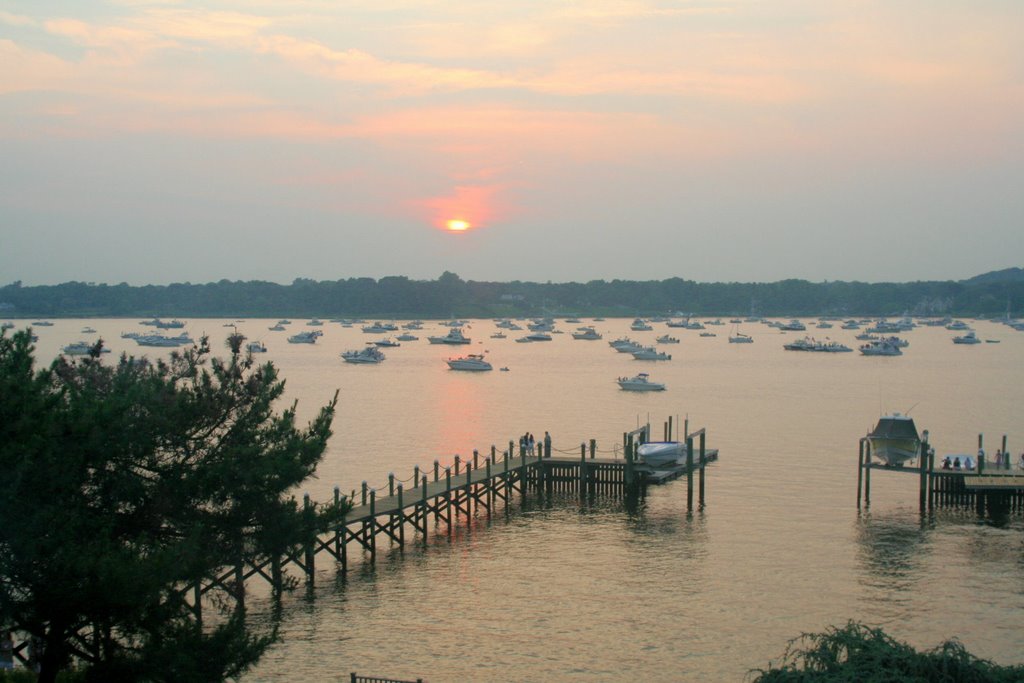
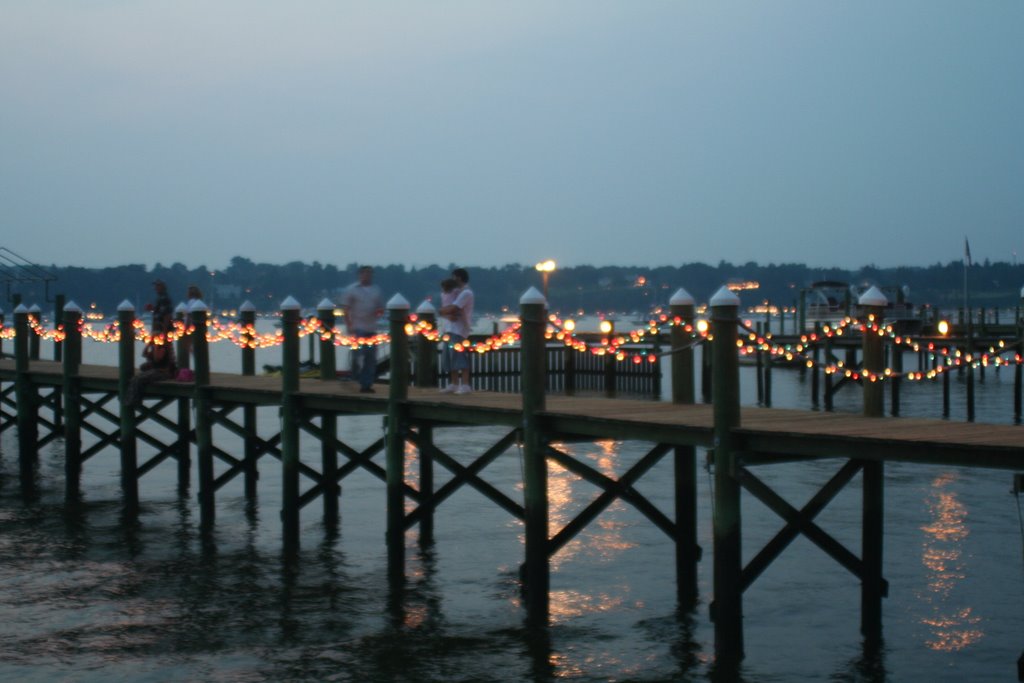
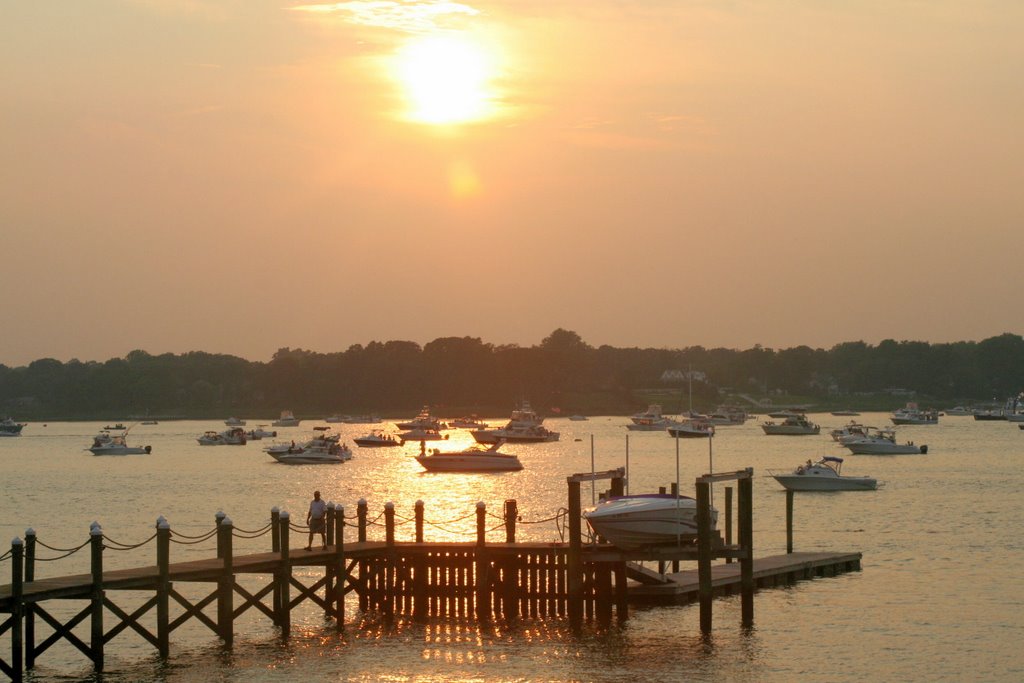
Red Bank has one of the biggest fireworks displays in NJ and it draws nearly 200,000 people to this one-mile square town. Traffic and parking are hellish, but the last few years we’ve been lucky enough to be invited to a party on the river to enjoy the show. The masses of people are centered in two parks on the river, boats come from everywhere for a close-up view, and the people who live in nearby towns (like us) hope to know someone or come up with a creative solution to seeing the fireworks while avoiding the crowds. We’ve seen them from just about every vantage point along the river, but this house has a terrific view and an even nicer party, plus at least 200 or so others to mingle with.

I brought along my camera hoping to get a few pics of the show, but discovered how difficult it would be without a tripod. I have one, but wasn’t about to lug it along. Anyway, the sunset pics turned out okay for my first attempt.

We spent today trying to stay cool and decided to try some crabbing from one of the bridges over the river. Neither my husband or I really like to eat crab, but my mother-in-law loves it, so we go for her. It was fun and there was a nice breeze by the water most of the afternoon. For every nice-sized crab we caught, we must have thrown back at least 20 little ones. We also caught a Spider Crab, which neither of us had ever seen before – according to what I found online, they’re pretty common “walking-crabs” who are cousins of the Alaskan King Crab. Ugly things, but very docile compared to the blue claws! We were caught in a terrific thunderstorm which made me glad I didn’t bring along my camera.

There were a lot of birds distracting me from the crab traps – laughing gulls, egrets, terns, cormorants, and even a few black-crowned night herons along the banks of the river. Surprised to have not seen any Osprey, but for some reason there aren’t any nesting platforms along this stretch of river. As we were leaving with the tide going out, chimney swifts were chattering overhead and thunderclouds were threatening again. A nice way to spend the 4th!

July is…

“July is the year at high noon, a young matron with hazel eyes, sun-bleached golden hair and a cloud-filmy red, white and blue scarf with spangles. July is festival and celebration and long remembered holiday as well as full moon and fireflies and smell of sweet clover at the roadside.

July is gray-green of oat fields turning to gold. July is meadows frosted with Queen Anne’s lace and daisies, and night hawks in the evening sky, and fledgling robins, and half-grown rabbits eating the lettuce in the garden. July is lightning and thunderstorms that jolt the hills, rain like silver threads hung from the high, dark clouds. It is field corn reaching for the sun and glistening with the morning dew and thrusting its gold-hung spire of tassel up for the dry winds to kiss and bless and make fertile the sprouting young ears beneath.

July is weeds grown lush, horseweed in the waste place, and milkweed and nettle and forbidding thistle; and pigweed and purslane and rough-leaved German weed in the garden. It is string beans prolific, and bean beetles; it is squash flowers, venerable symbol of fertility, and squash beetles; it is tomatoes coming to fruit and horned tomato worms which turn into sphinx moths.

July is get-up-and-go, vacation time, the shore, the lake, the country, anywhere but home. July is hot afternoons and sultry nights, and mornings when it’s a joy to be alive. It’s fresh cherry pie. It’s first sweet corn. It’s baby beets, well buttered, please. July is a picnic and a red canoe and a sunburned neck and a softball game and ice tinkling in a tall glass. July is a blind date with Summer.” –Hal Borland, Sundial of the Seasons

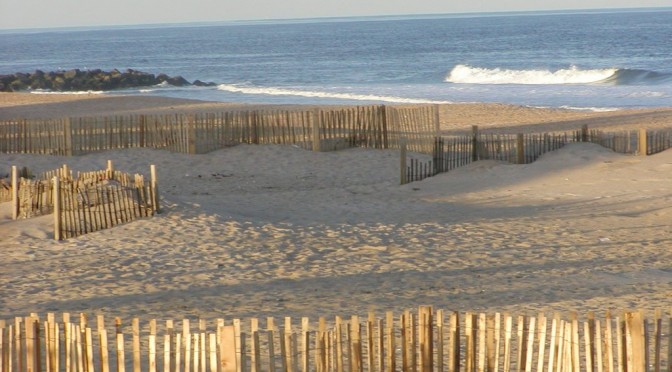
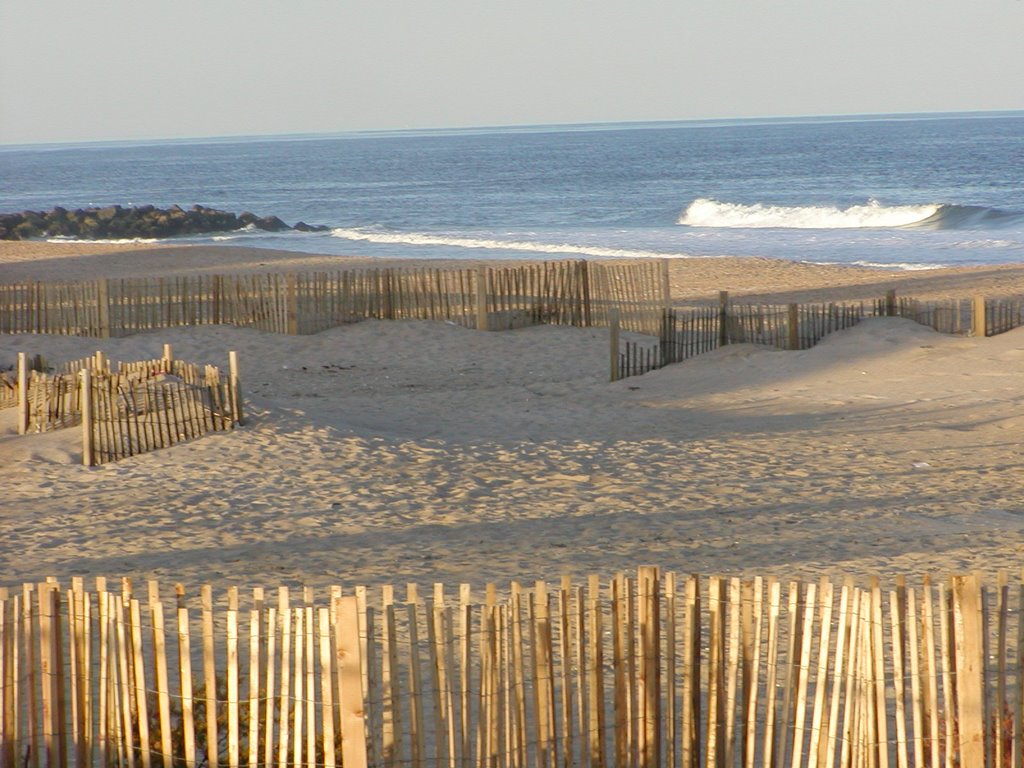
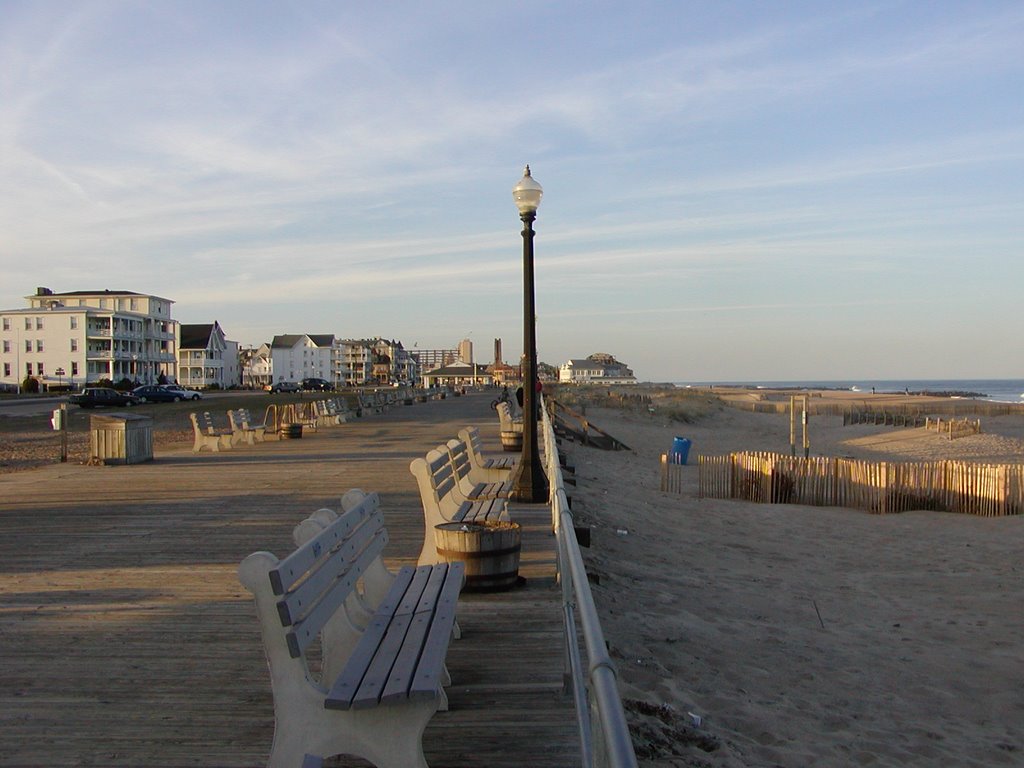
Pics taken at Ocean Grove in early April. I’m sure the beaches and boardwalk are packed with people this weekend. Most locals don’t brave the beaches until after Labor Day.

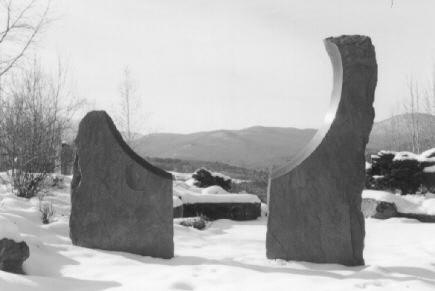
The Door of the Moon

I don’t know which one of us named it the “Door of the Moon”. It’s possible that we were influenced by stories of pirates and hidden treasures, or something similar read in some book. In any case, none of us fully understood the name, but it contained all of a secret world, separate and absolutely ours.

The Door of the Moon was a place, a cliff, a sort of stone platform that stood out from the mountain named “El Sestil” that was behind the house. That platform was capable of holding three or four children, canteens of wine, weapons, some frisky and affectionate dog, part of an old army tent, and a variety of more or less precious and indispensable objects.

Although the Door of the Moon was a magnificent observation point, it was also the perfect hiding place during our childhood because it was hidden between the hawthorn and bramble bushes. It was there that we went to escape punishment or when we simply wanted to be alone. Later I found out that our hiding place was also the secret legacy of my mother and her brothers, and later it was used again by my little sister and her friends. But none of us ever told the secret. Each batch of children discovered it on their own and each group gave it a different name.

As I said, many times we went alone, one by one, under different circumstances and in different states of mind. I remember now with great nostalgia the solitude of sitting there on the cliff looking out between the leaves and the hawthorns on the mountain. There below in the house, the adults were like multi-colored ants. Looking at them caused a strange thrill of tender, condescending superiority. The comings and goings of the servants, the messenger boy… that was complete and splendid solitude. Sometimes from underneath the buds of the hawthorn bushes, I would turn my face up to the sky to see it broken through the branches. You could hear the ravens that nested close by in the ramparts on the cliff, among the bats and the black butterflies. It was dim and luminous at the same time. I think that all the children of the world need a Door of the Moon.

When I came back to see it everything was flooded. I looked with my hand over my eyes to the other side of the marsh, for that marvelous place. The water hadn’t touched it. From the other side of the bank I made out the stone platform, the wind among the leaves, the cries of the crows and the ravens. I recognized it the way you recognize a friend, a bridge, or a tree. The Door of the Moon appeared desolate without children’s voices, or whispers, or the solitude of a child beginning to think and to grow.

Nonetheless, we still have the Door of the Moon. We recover it, I know very well, in the hour of solitude we all look for during the course of the day. That hour of solitude we all ask for and need in the course of months and years. At the Door of the Moon, children grew slowly, inside themselves. In our hour of solitude, the Door of the Moon takes us back to the child who still wanders around inside of us, searching in vain for doors and windows to escape through.

The above essay is another small piece from “El rio” by Ana Maria Matute that I translated from the original Spanish as part of an undergraduate project many moons ago. I’m including it here, and cross-posting at whorled leaves because it relates to the first essay in our July book, “The Geography of Childhood” in which Gary Paul Nabhan discusses a child’s sense of wildness and relates the story of his own children’s secret hideout and the importance such intimate, wild places have in the lives of children.