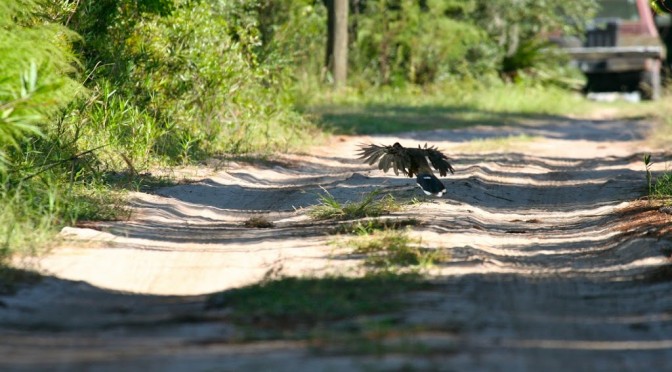
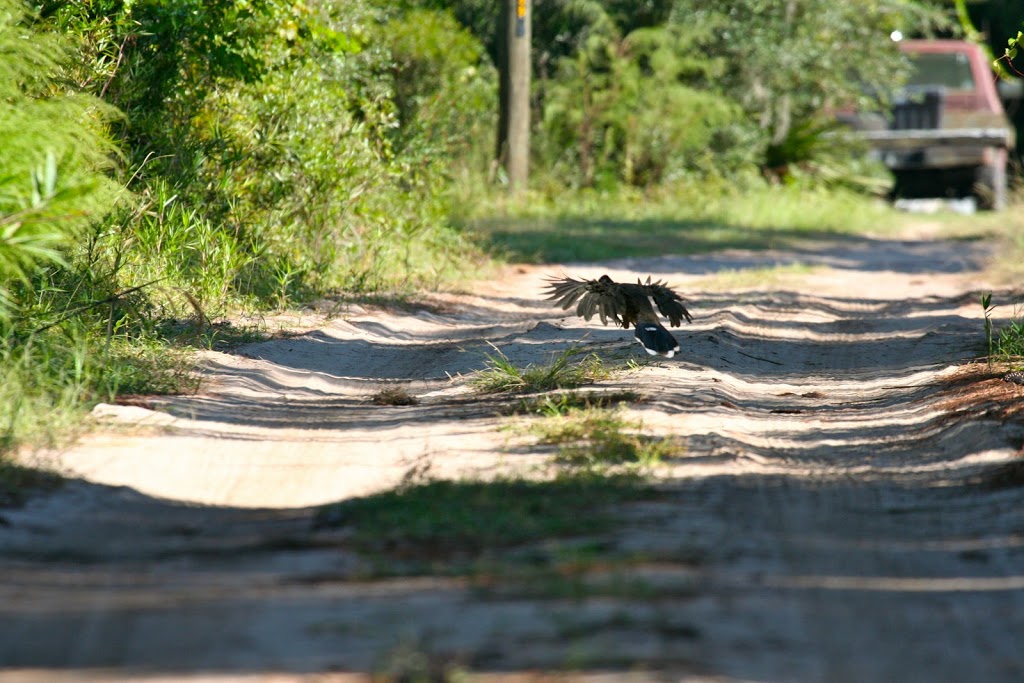
Hmm…
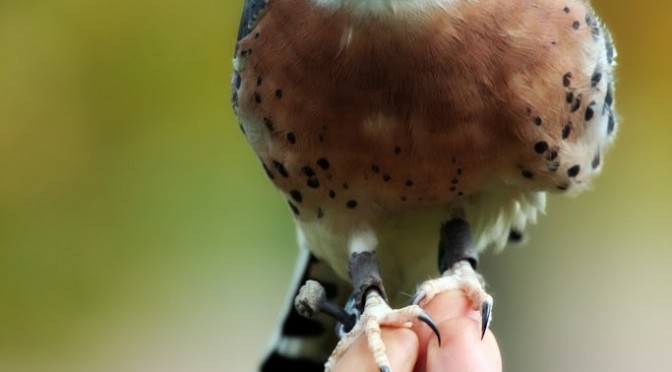
My only hint is that I’ve never been to Texas.
: )
Hmm…
My only hint is that I’ve never been to Texas.
: )
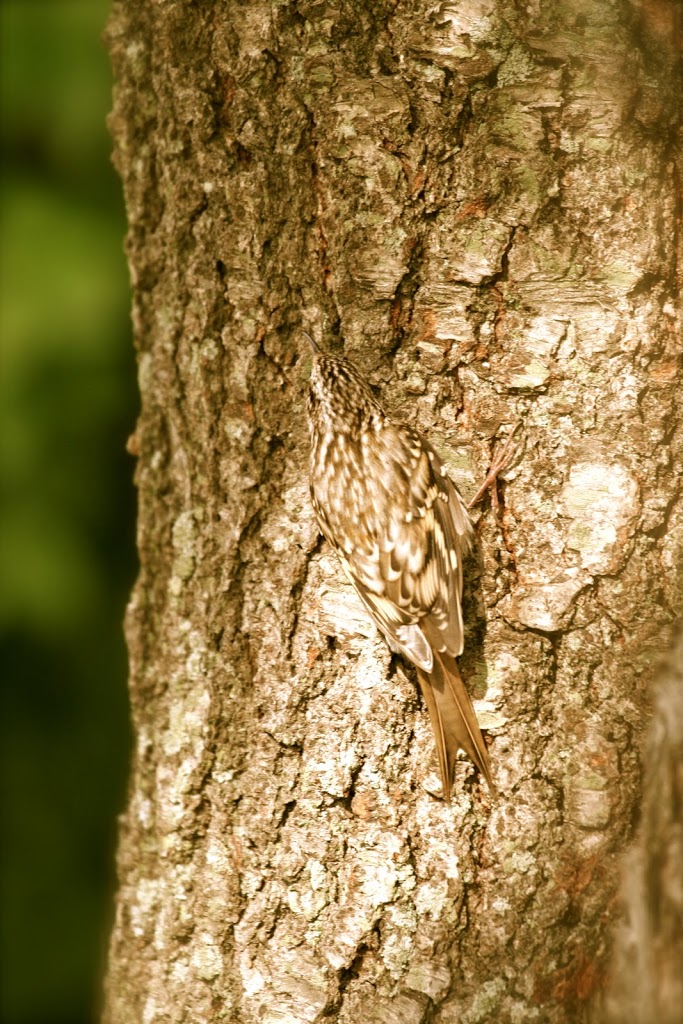
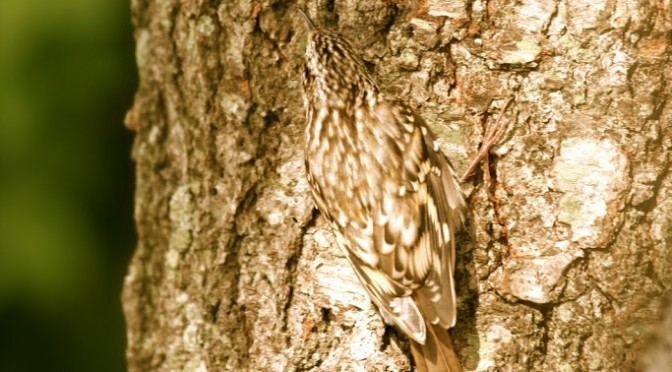
Brown Creeper, disappearing.
Were it not for their predictable habit of hanging out in the trees surrounding the Sandy Hook Bird Observatory and climbing upwards (but only partway!) before swooping down to the base of a nearby tree and starting their ascent all over again, I’d probably never notice them.
I did spend all that time watching kinglets yesterday tho, so my eyes had plenty of time to wander to the other birds who keep company with them.
Brown Creepers don’t look like much, but they’re a treat anyway and their song is sweet beyond words.
Where must a person live to hear Creepers sing regularly?
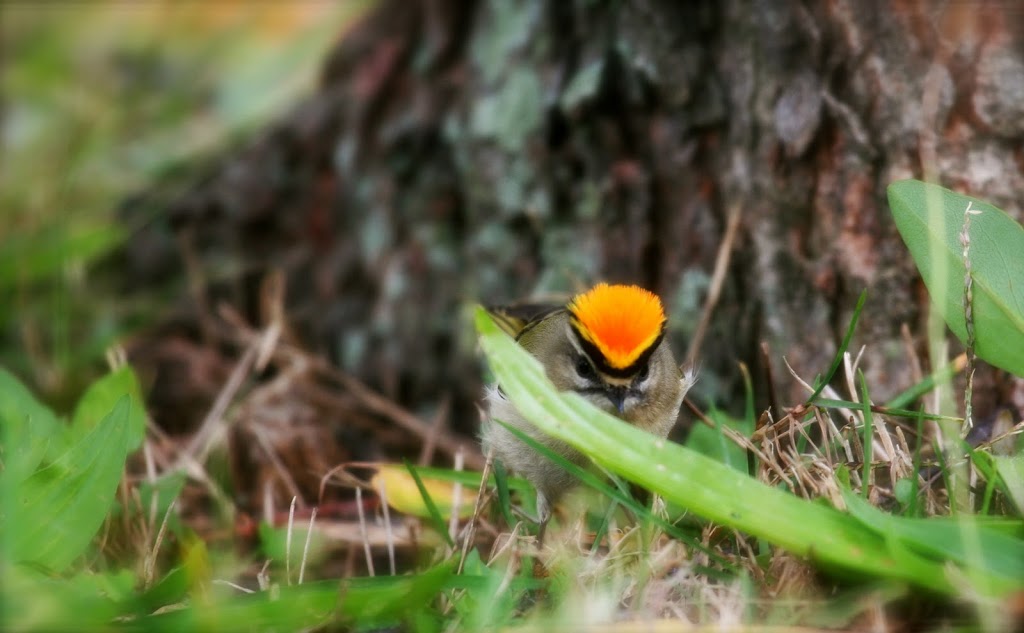
If only I’d gotten this hairdo…
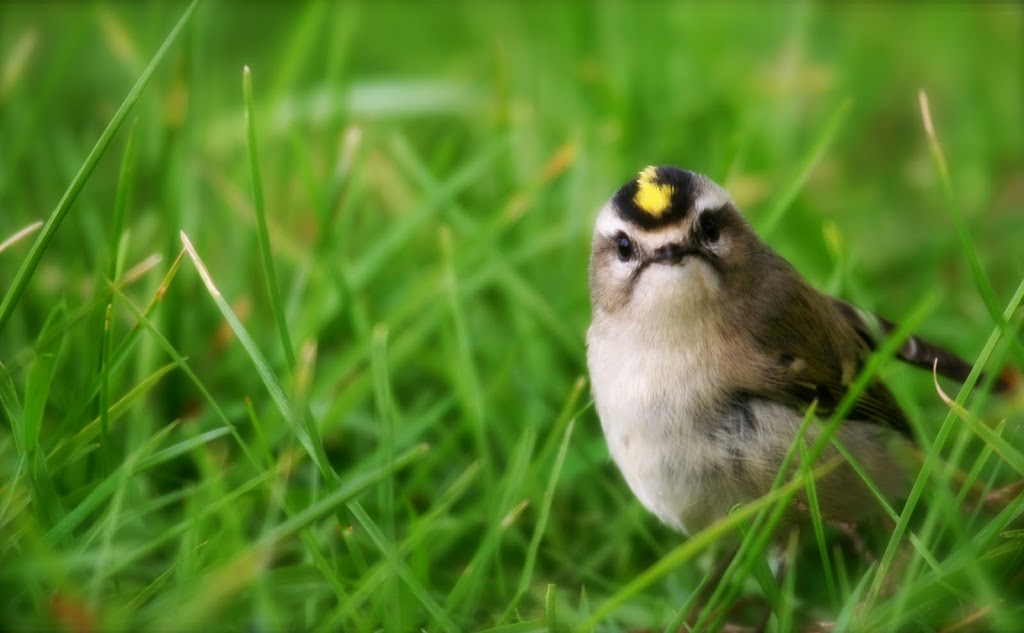
combined with this expression!
: )
(I can’t stop giggling at this pic!)
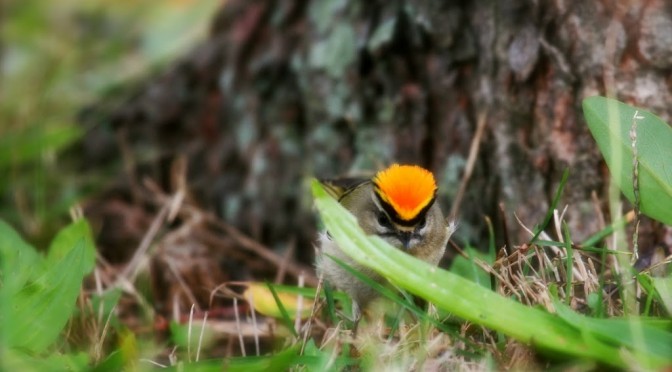
I wandered around Sandy Hook hoping for my first Brant of the season, but found none, despite they’re being “in” already. Instead I spent the afternoon kicking up Golden Crowned Kinglets from the grass at my feet… such endearing little birds once you get eye level with them.
Eye level to a kinglet today meant parking myself in a sunny spot in the grass where they were feeding and waiting for them to come close enough… which garnered many a curious glance as I focused my lens at nothing very obvious to most people passing by.
It strikes me that bird photography, by necessity, is a solitary pursuit…
The post title refers to a translation of the genus name Regulus to which the kinglets belong; historical names include Flame-crest and Fiery-crowned Wren. The orange patch is only visible when a bird is excited or challenged by another. I think that’s what the show was about in that top photo, as two birds were feeding very close together at the base of the tree.
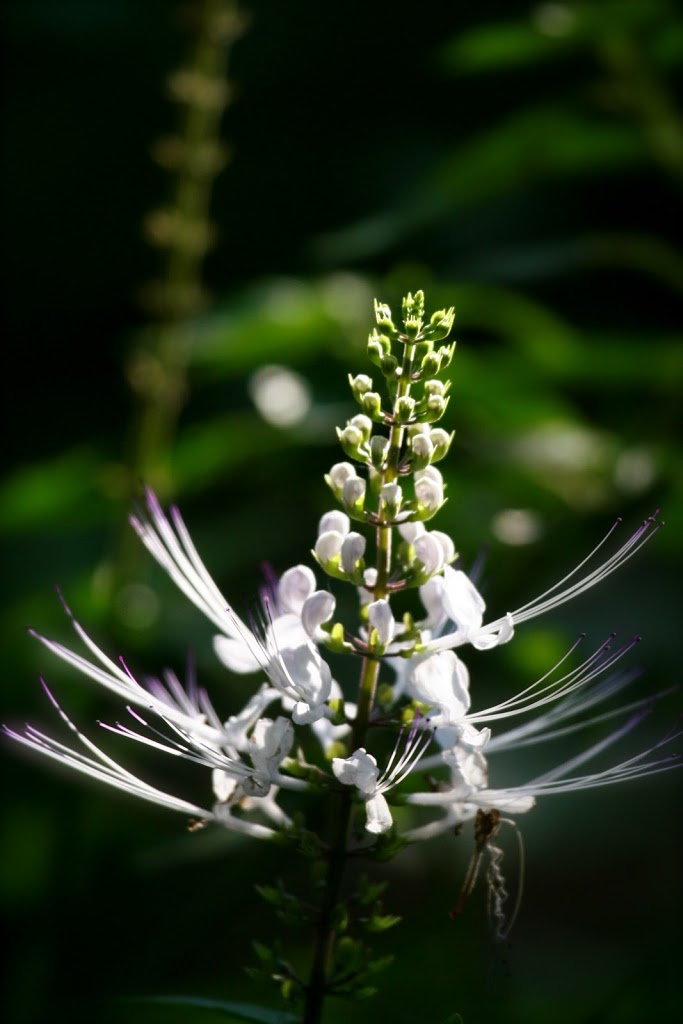 |
| Anyone recognize it? |
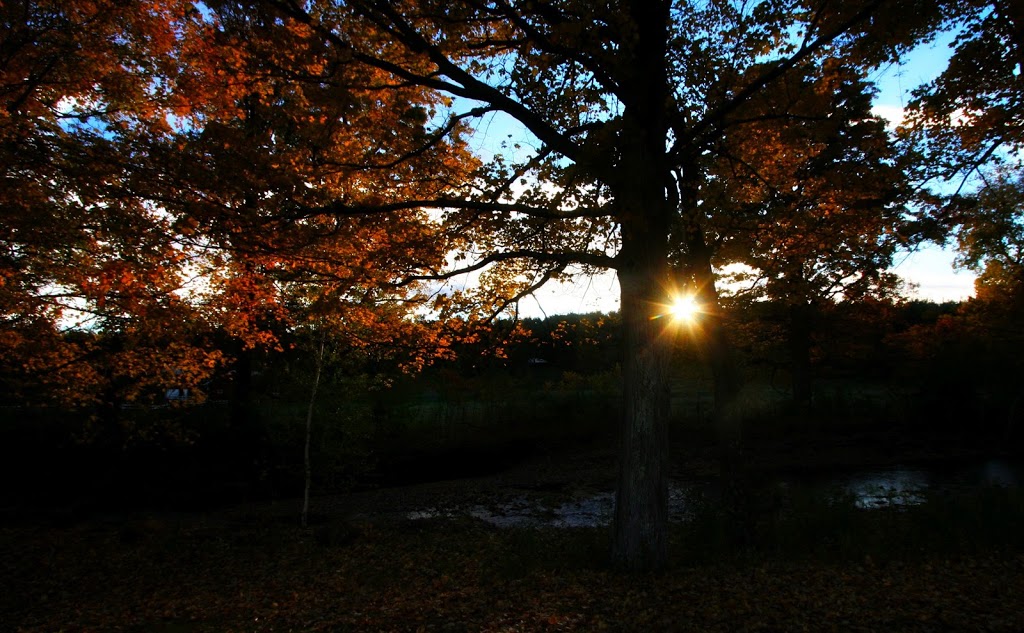 |
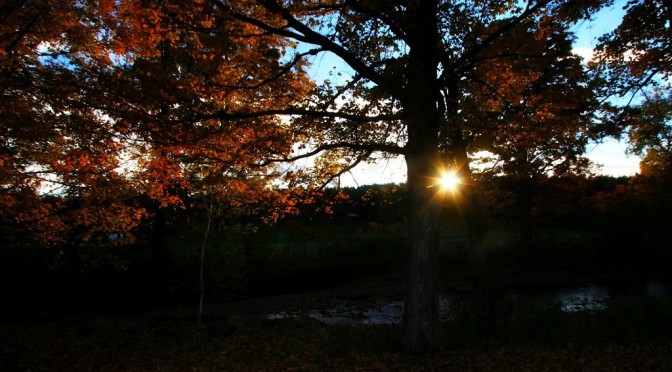
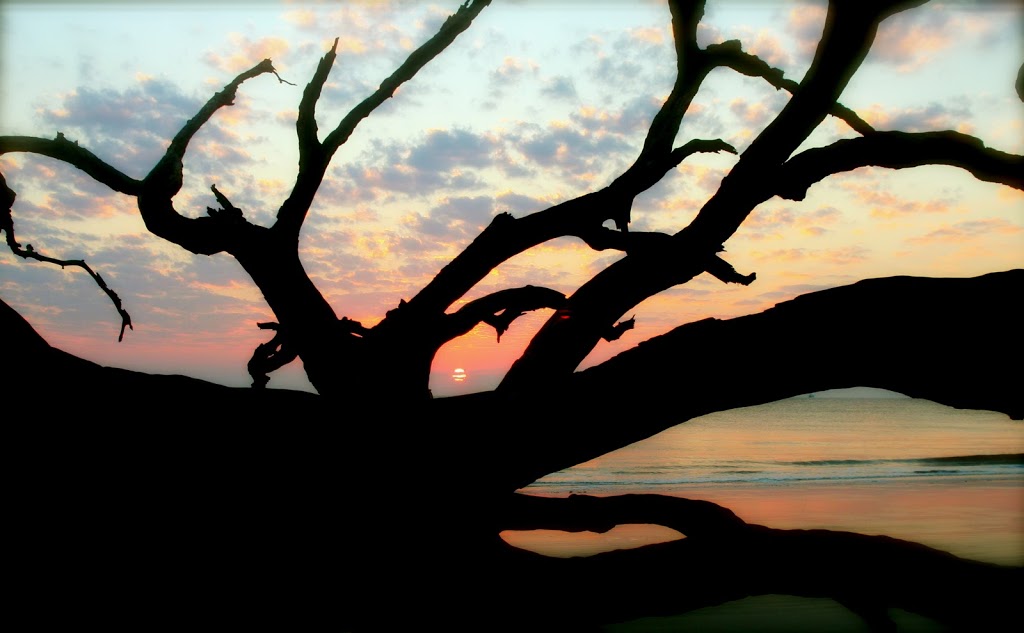
| There is truth in a tree, yet it’s of a different kind, now. It’s not the verity born of strength and affirmation, but the peaceful quiet of fulfillment and endings.
The passing of summer is the passing of beauty; first the chicory is gone and now the goldenrod has faded. I feel winter rushing towards me in the painful blue of sky. The maples are busy making their own light; the long deep breath of Autumn has begun. |
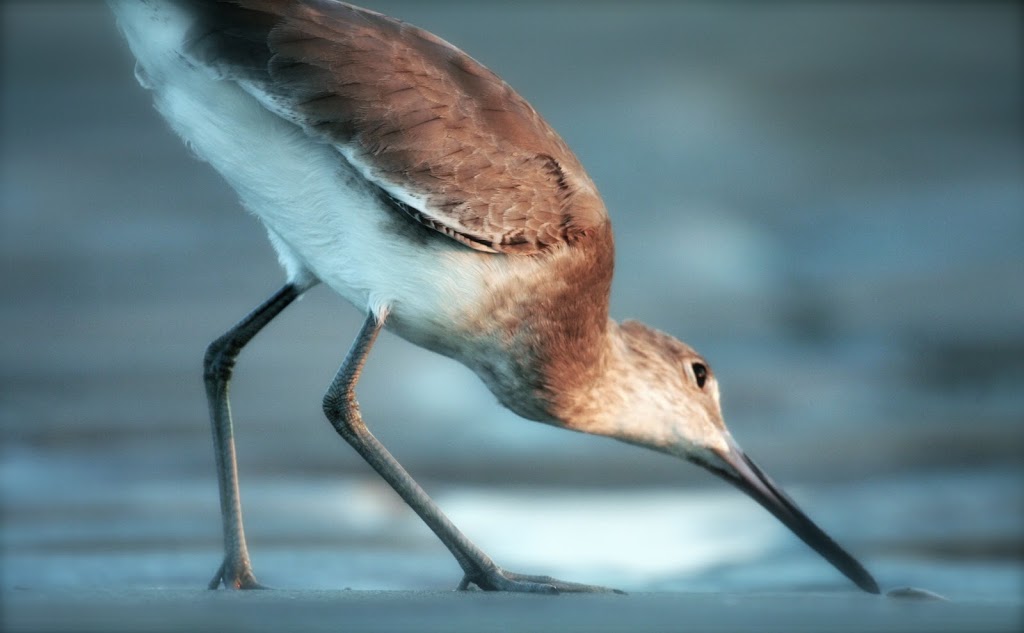
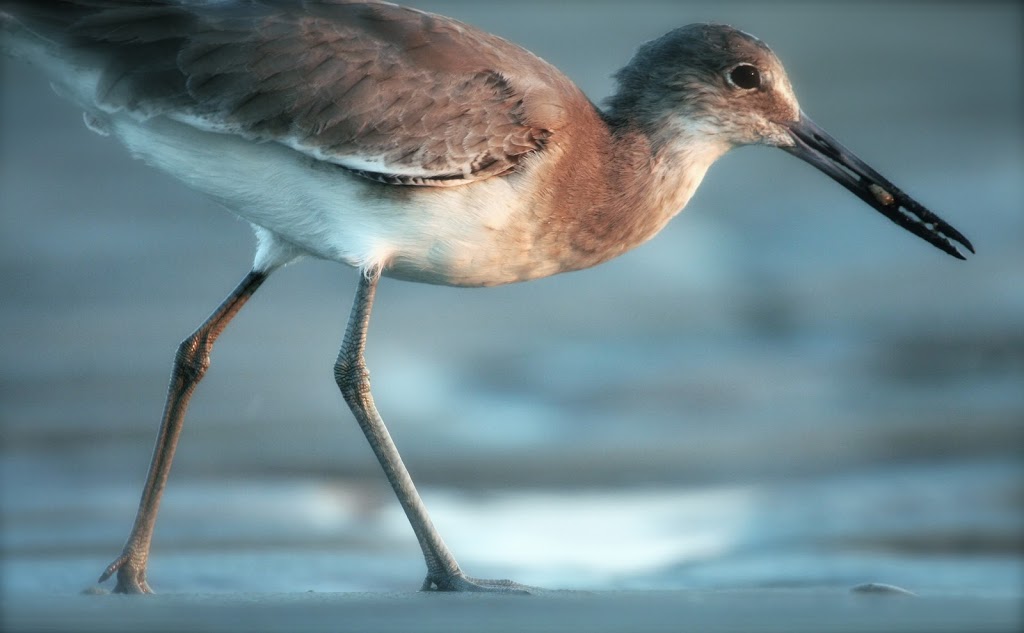
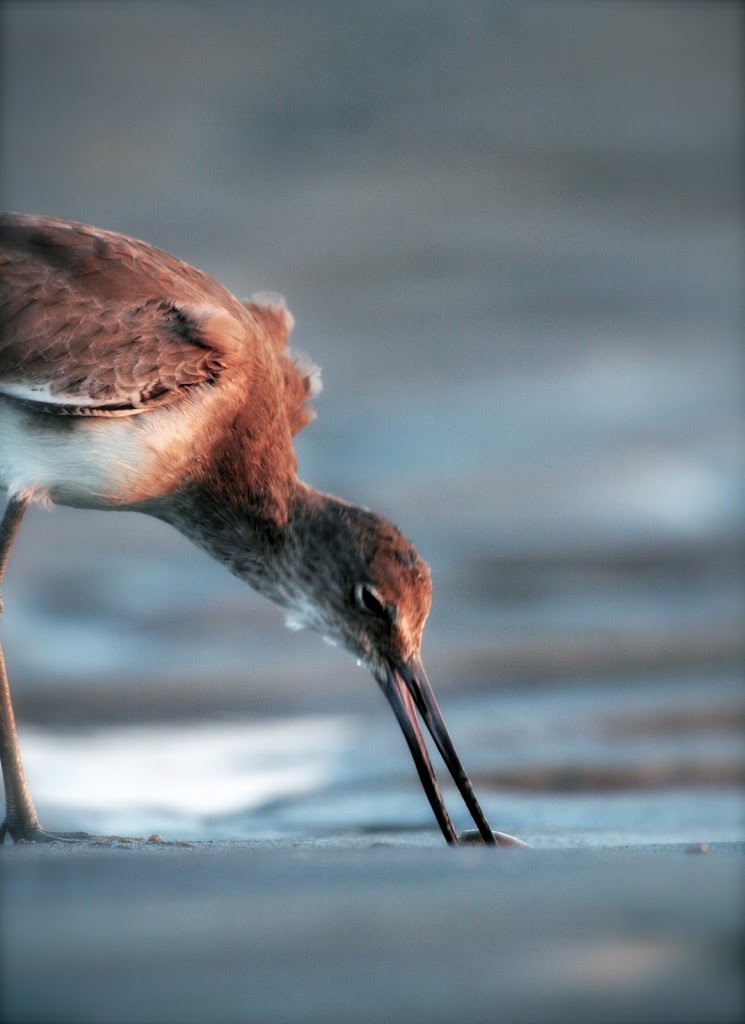
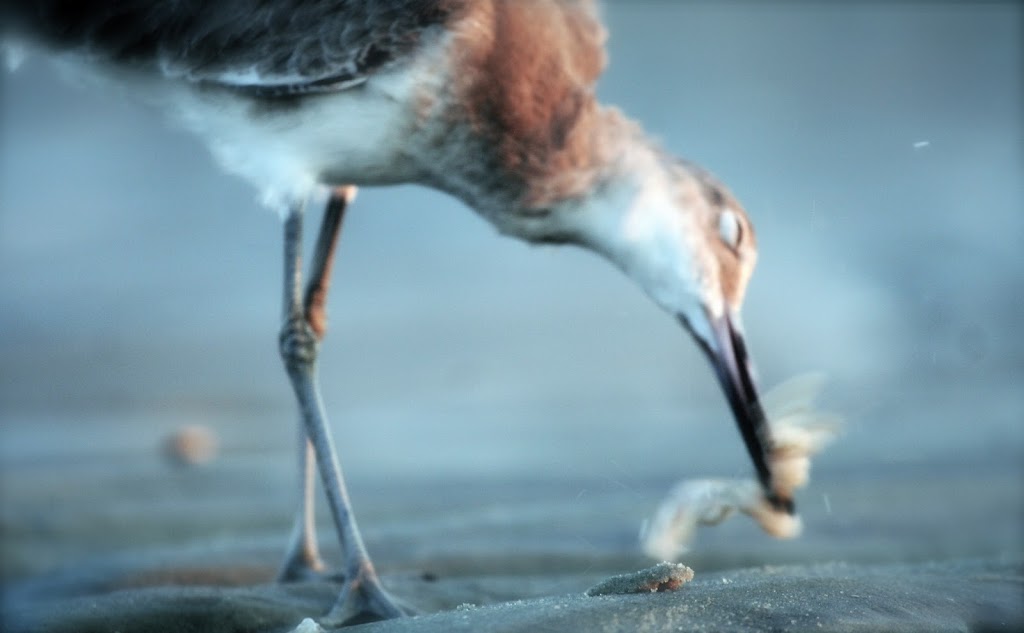
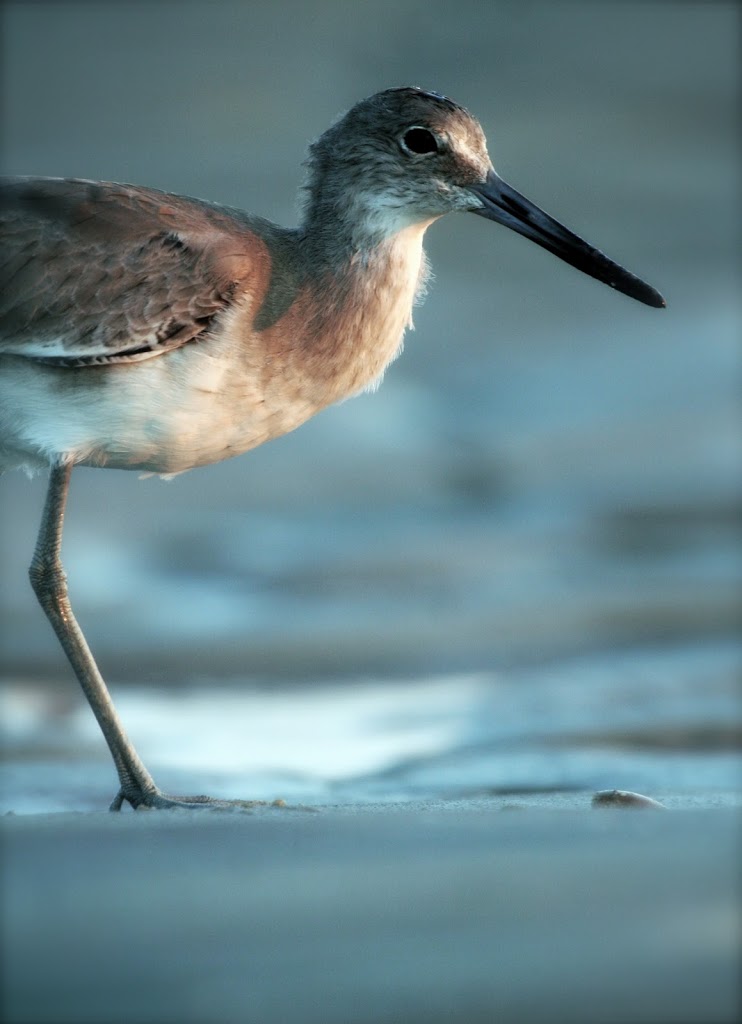
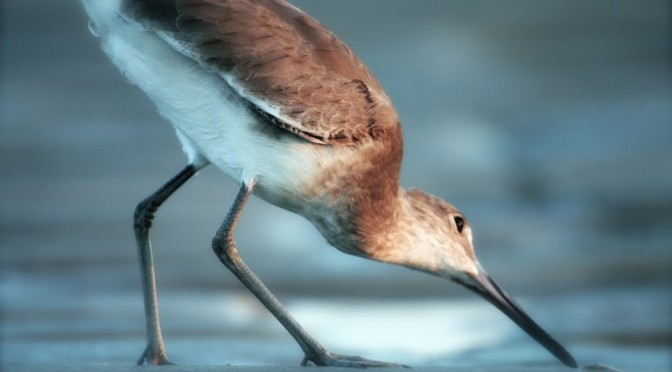
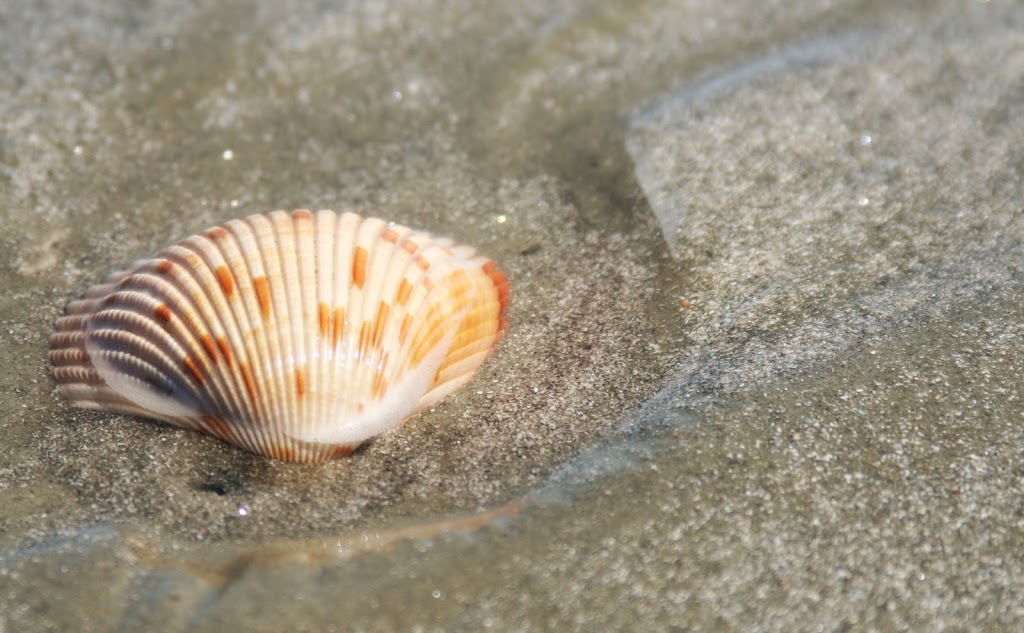
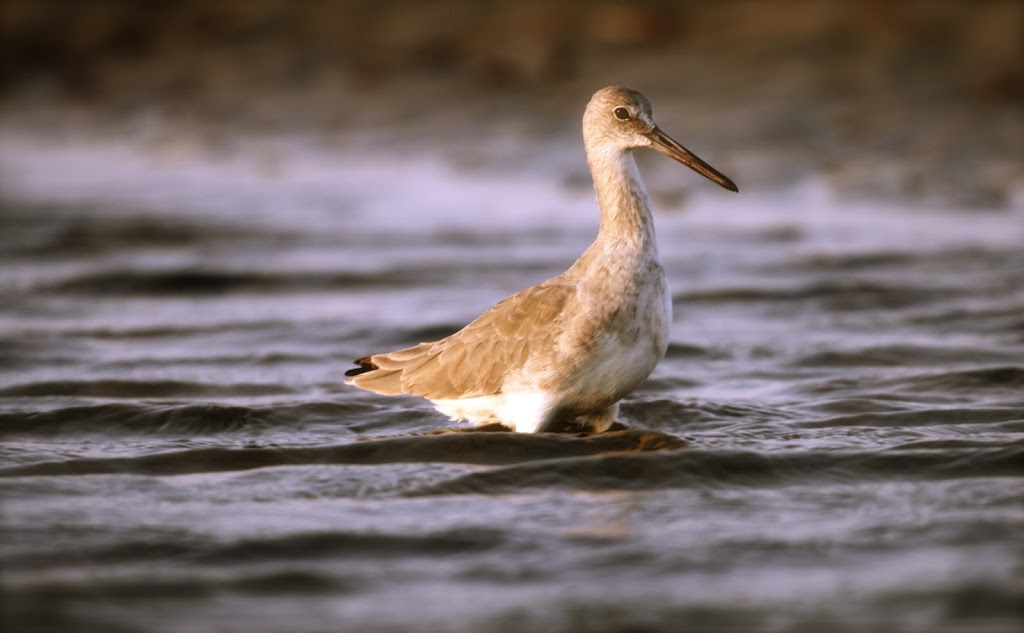
I spent a couple of happy hours stalking the willets feeding at low tide on St. Simons Island and never could figure out what it was they were eating…
: )
 |
 |
 |
 |
 |
 |
 |
So… what have you been up to?
: )
Disgruntled beginning birders were the theme at Sandy Hook Bird Observatory today; my first volunteer day since, oh… June, I guess.
Sitting behind the desk in that drafty building on the bay, on any given Sunday, promises a variety of experiences. Many days we see no one, but oftentimes we have a mix of visitors, full of questions, but hesitant to spend any money to validate our presence there.
Today, Donna and I managed to sell exactly one “Butterflies of Sandy Hook” checklist.
(Exactly sixty-four cents with tax.)
A banner sales day!
; )
Donna, who’s a librarian by day, is used to this sort of trading of information for the sake of visitorship. She recognizes our purpose there more readily than me, probably.
Me… I feel like I haven’t earned my keep as a volunteer if I haven’t sold at least one copy of the Sibley’s guide…
The folks who came in today or called to complain… about the birds not being Here now… or the birds not being There yesterday, were expressing a frustration that I imagine many of us feel…
We want what we want from the natural world, when we want it.
If we show up… we expect Nature will be there waiting for us, with bells on.
Right?
I’ve spent the last couple weekends at Cape May or at the hawkwatch in Montclair… looking for hawks, waiting for them to show…
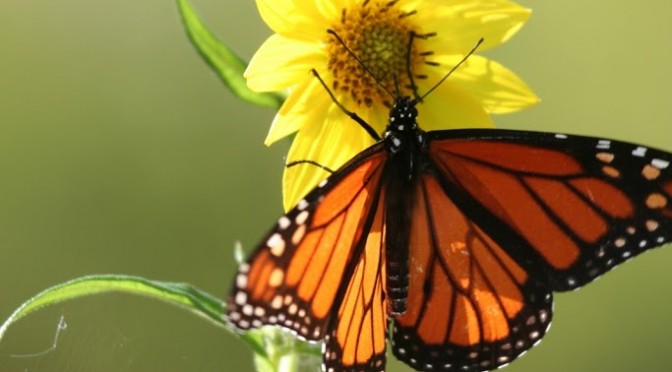
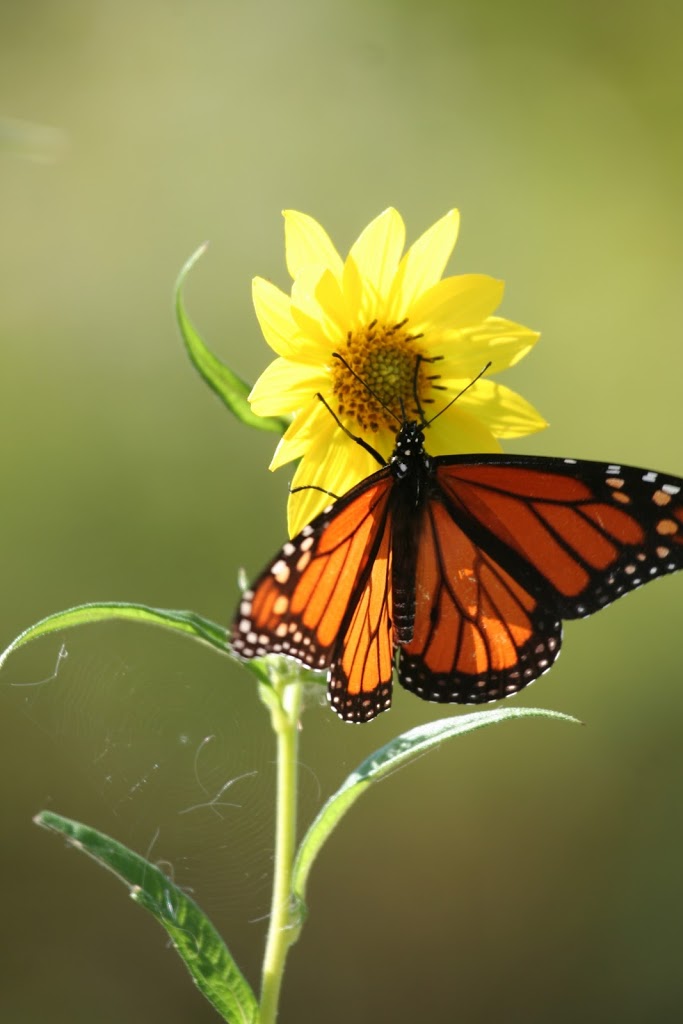
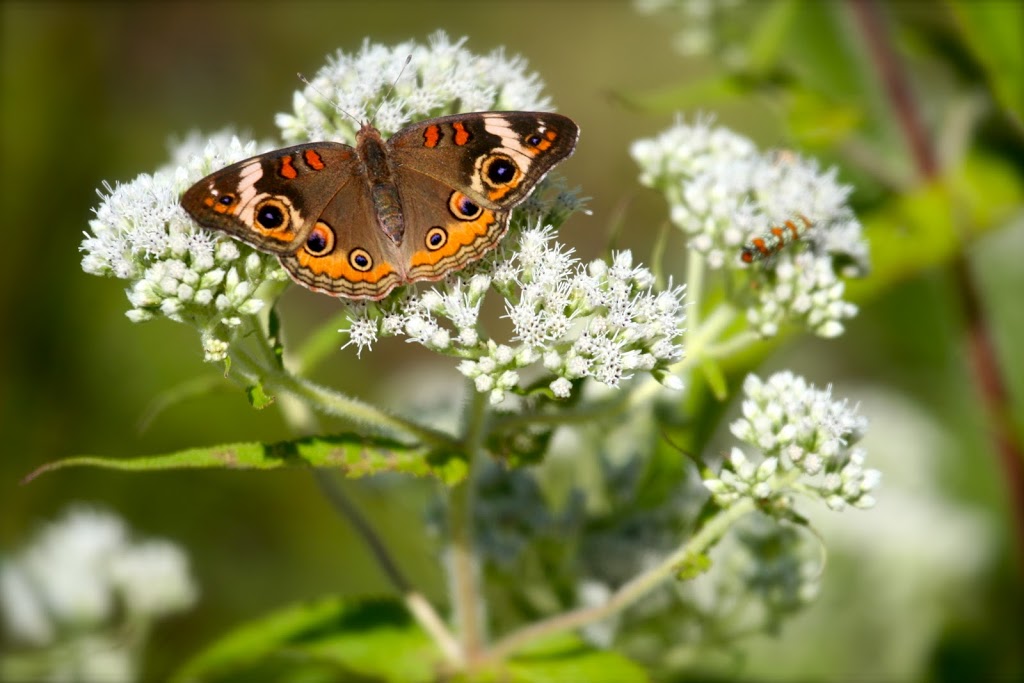
They never did, really, not in any spectacular way that I’ve come to expect. Instead there was a huge passing of Monarch butterflies at Cape May and Buckeyes in the hundreds of thousands…
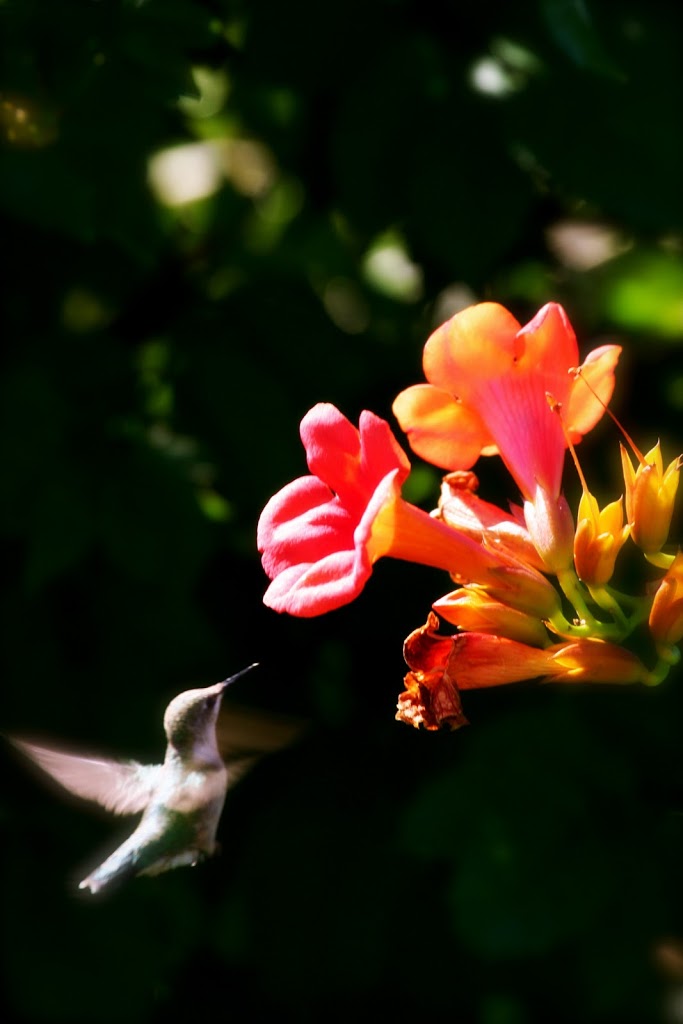
And a Ruby-throated Hummingbird that amused me for hours while waiting for Broadwings to pass, near invisible, overhead…
Opportunities fly by while we sit regretting the chances we have lost, and the happiness that comes to us we heed not, because of the happiness that is gone.
~Jerome K. Jerome, The Idle Thoughts of an Idle Fellow, 1889
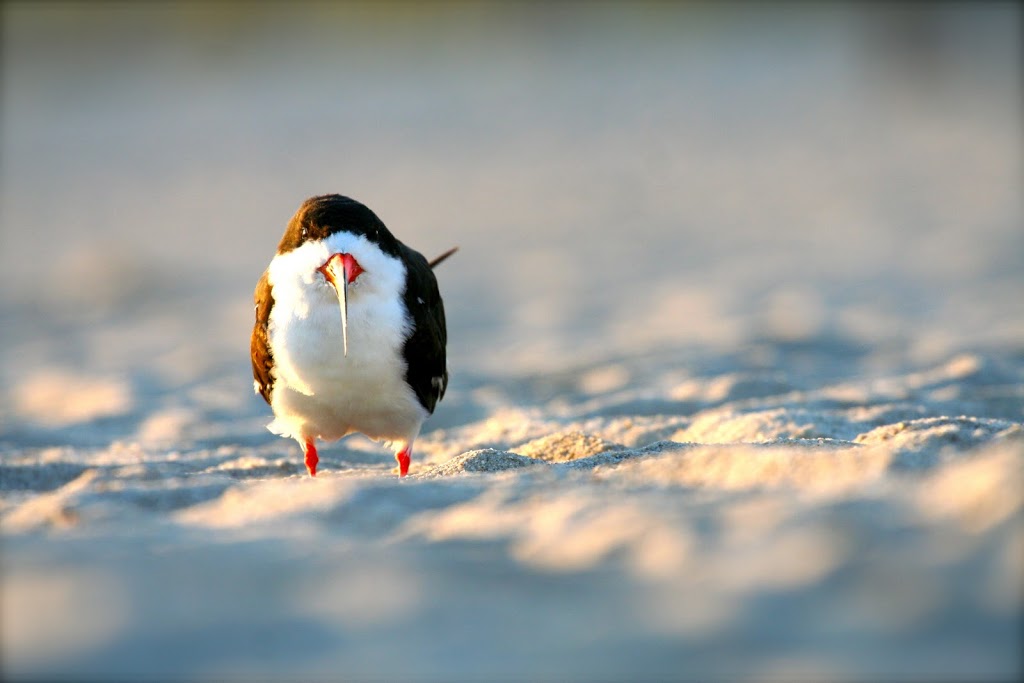
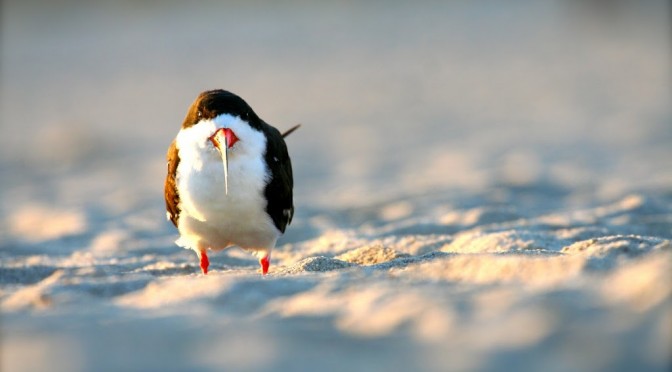
also Scissorbill, Shearwater and previously known along the Virginia coast as Storm Gull.
I’d suggest the addition of Penguin Gull.
; )
Do you see the similarity?
My 1917 edition of the Birds of America is a joy for many reasons, but I particularly enjoy it for the local or historical names; so often these names are much more evocative of a bird’s spirit or some fundamental quality that we associate them with.
Peterson sort of dryly describes their call as *barking* or alternately as “kaup, kaup.” To me it sounds like something between a bark and a quack. Members of a colony at rest on the beach will call anxiously to one another as people approach on foot and it sounds for all the world to me like a childhood game of “Marco Polo.”
Listen for that next time!